Break-Ins and Door-Sash Design on the Volt
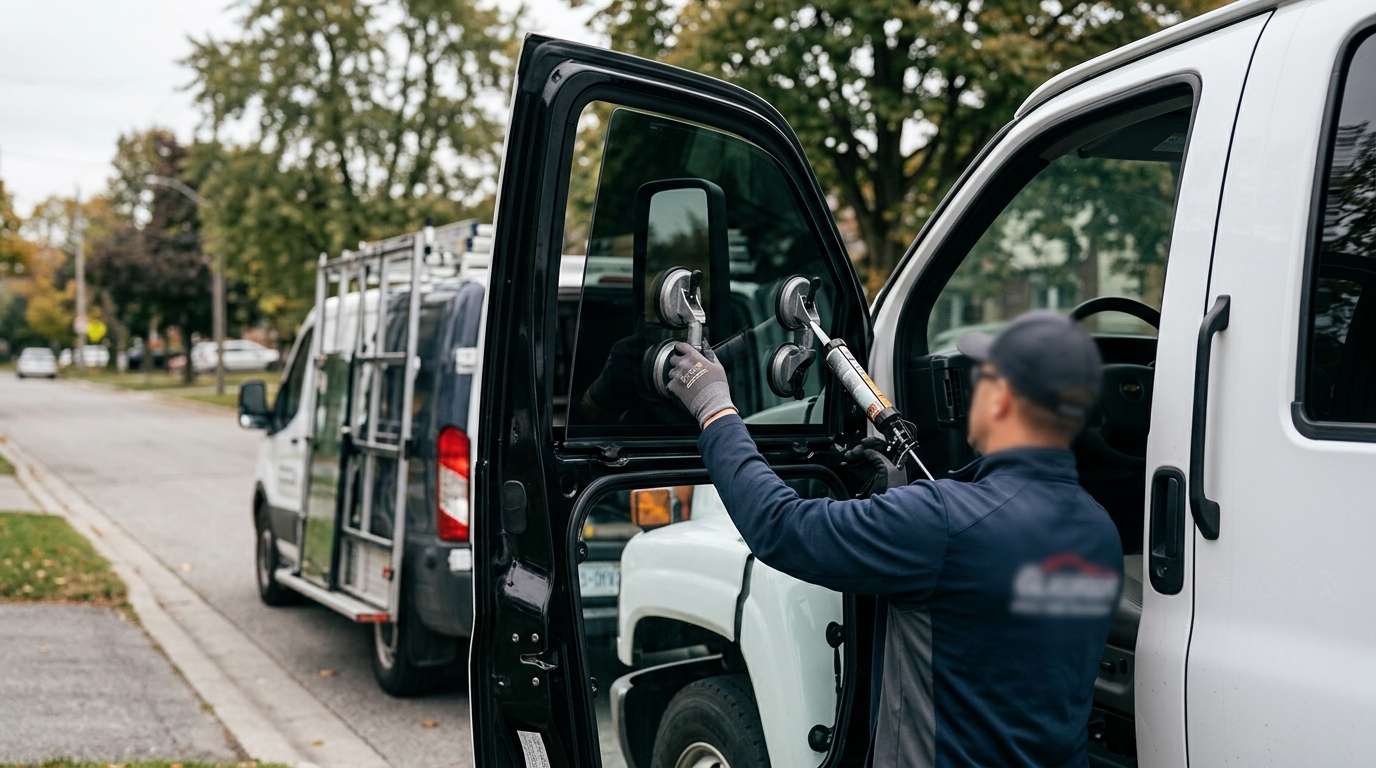
Thieves frequently target the rear quarter window on this liftback because smashing this small pane allows someone to reach directly inside and drop the rear seatback latch to inspect the cargo area, often without setting off the perimeter alarm on many trim levels. Unlike vehicles where the rear quarter is glued permanently into the C-pillar body metal, the stationary glass on both the 2011–2015 and 2016–2019 Volt sits directly inside the rear passenger door frame itself. It functions as a fixed vent window framed within the upper door sash, separated from the roll-down window glass by a vertical metal division bar channel.
Because the pane is mechanically retained within rubber run channels rather than glued in with structural urethane, replacing it means working inside the door cavity. The interior door trim panel, inner moisture barrier, and the bottom mount of the division bar channel all require service to seat the replacement glass properly into its rubber weatherstrip encapsulation.
Volt Quarter Glass Variations: 2011–2015 vs. 2016–2019
When matching replacement glass, the split between the early liftback styling and the sleeker redesign matters. The glass is single-pane tempered solar-green glass, though some trim options came with darker rear privacy tint that you must match to the opposing door. The glass contains no embedded antenna grids, defroster lines, or perimeter alert sensors, but the physical shape changes completely between the two production runs.
| Model Years | Left Hand NAGS | Right Hand NAGS | Mounting Style |
|---|---|---|---|
| 2011–2015 | DQ11664 | DQ11663 | Encapsulated rubber in door sash |
| 2016–2019 | DQ12684 | DQ12683 | Encapsulated rubber in door sash |
Note that on early 2011–2015 models, the separate transparent lower vertical tailgate window on the rear hatch is sometimes mistakenly cataloged under rear quarter glass searches, but it shares nothing with the rear passenger door vent panes. Whenever a broken vent window leaves glass fragments inside your door shell, I handle the cleanout and glass replacement on-site through my mobile service, travelling directly to your driveway or workplace parking spot throughout Toronto and the GTA.
Inspecting the Replacement Glass and Door Assembly
Before installing the replacement pane, I verify that the rubber perimeter profile matches the division bar guide slots exactly. If the replacement glass mouldings are distorted from storage, the vertical division bar will pinch the movable roll-down glass next to it, causing the window motor to bind or drag when traveling upward. Once the work is completed, review these specific points on your door:
- Division bar alignment: The vertical metal runner between the small fixed pane and the roll-down glass must sit dead straight, without bowing toward the front or rear of the vehicle.
- Movable glass operation: Cycle the main rear door window all the way down and up; it should glide smoothly through its felt channel without slowing down near the top sash.
- Perimeter weatherstrip seat: The rubber moulding surrounding the quarter glass must sit flush against the outer steel door frame with no pinched corners or gaps that could admit wind noise at highway speeds.
- Solar tint match: Compare the light transmission and green undertone of the new quarter pane against the roll-down glass on the same door under daylight.
- Interior door card seating: Ensure the top edge of the interior door trim panel is clipped tightly back into the window sill channel so the inner door sweep rests flat against the glass.