Body Style Determines Your Side Glass Layout
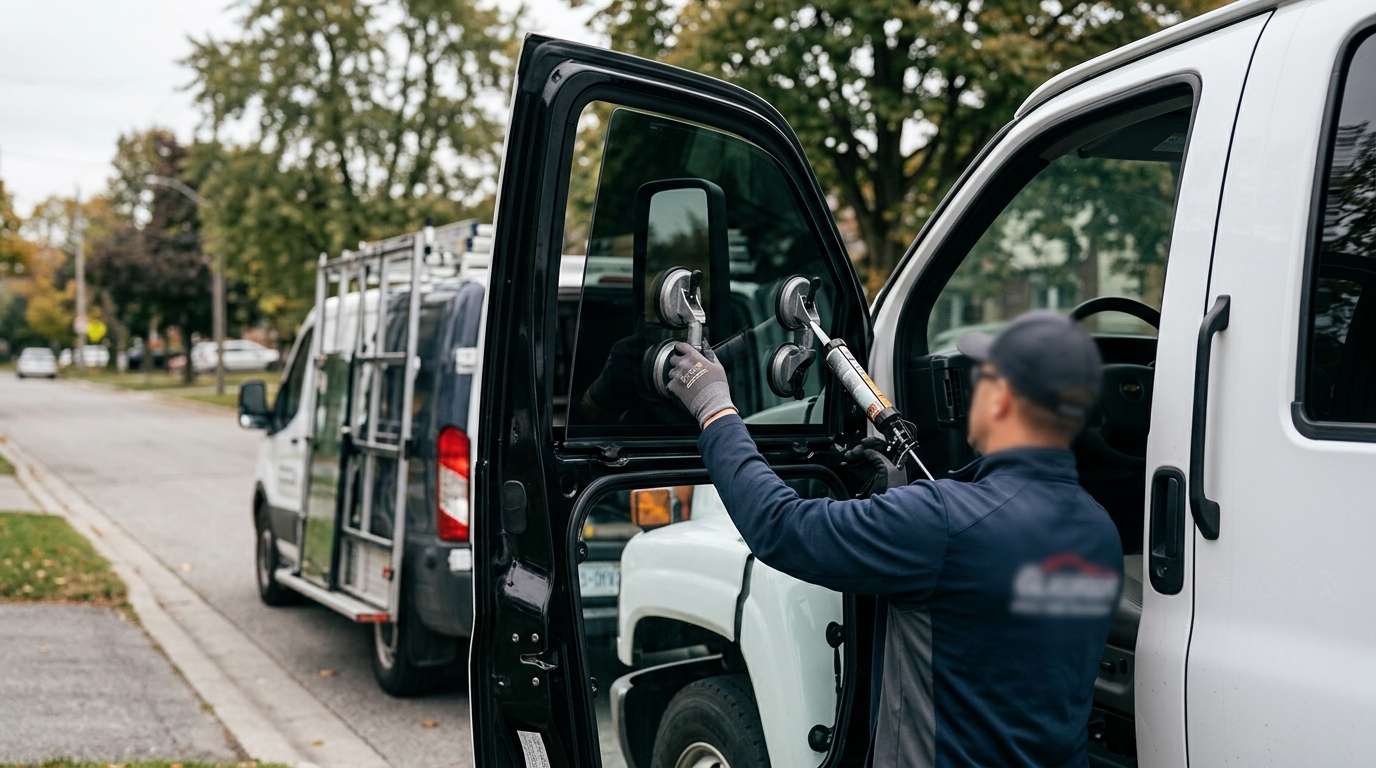
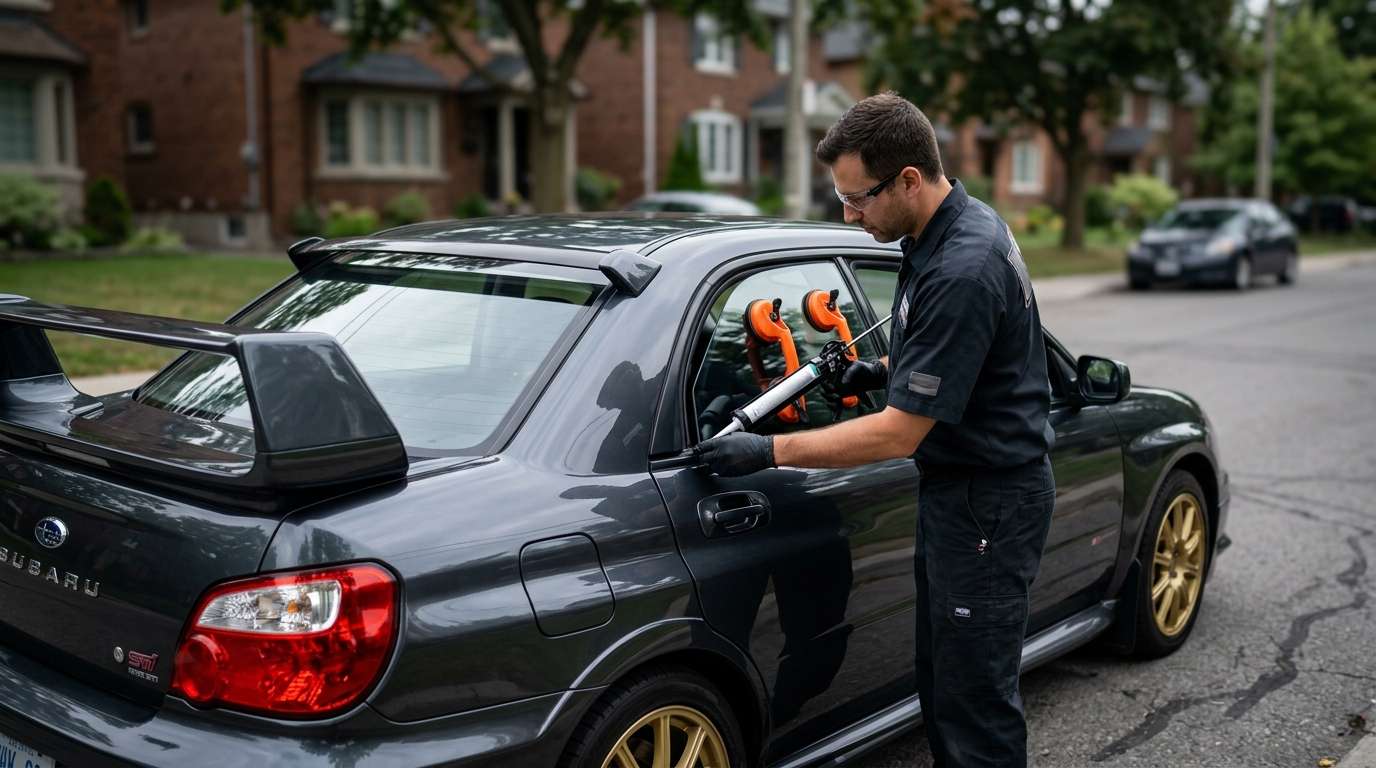
Replacing rear side glazing on these turbocharged Imprezas starts with identifying whether you drive a four-door or a five-door. The sedan does not carry a quarter window mounted to the body at all. Instead, its rear side profile relies entirely on the frameless rear passenger door window, which incorporates a fixed dividing sash and mini-vent pane sitting directly inside the moving door shell. When you shut the door on a sedan, that glass seals straight against the unibody roof arch and rear pillar weatherstrips.
The sport wagon uses a completely different architecture. A true, stationary cargo quarter glass sits behind the rear passenger doors, bonded directly to the unibody sheet metal between the C-pillar and D-pillar. Because these cars remain frequent targets for cabin break-ins, I keep this replacement glass stocked so I can typically be at your location about an hour after you get in touch.
| Vehicle Body | Glazing Position | Mounting Method | NAGS Prefix |
|---|---|---|---|
| GD Sedan (WRX / STI) | Rear Door Vent / Drop Glass | Mechanical sash inside door skin | FD |
| GG Sport Wagon (WRX) | Cargo Area Quarter Panel | Direct urethane bond to unibody | FQ |
Wagon Cargo Quarter Glass Structure and Encapsulation
The cargo glass on the five-door wagon features a factory-bonded perimeter rubber reveal moulding. This outer gasket is permanently molded to the glass during manufacturing and cannot be serviced as a separate piece from the dealer. If the glass shatters or the edge moulding suffers deep gouges, the entire glass and seal assembly must be replaced together.
Subaru kept the electronics on this specific glass minimal compared to later vehicles:
- No embedded antenna: The wagon pulls AM/FM signals from an external roof-mounted whip near the rear hatch, unlike the sedan which prints the radio antenna grid directly onto the heated rear back window.
- No heating elements: The cargo side glass contains no defroster wires, running clean glass without electrical spade terminals.
- Solar tint: Replacement panels use the standard green solar tint (NAGS tint code GTN) matching the factory door glass, rather than dark rear privacy glass.
Interior Cargo Trim and Frameless Door Seal Differences
Accessing the structural mounting flange on the five-door wagon requires pulling the interior cargo area apart from the inside. The upper cargo trim panels, lower trunk side liners, and the inner plastic garnish covers spanning the C and D-pillars must be unsnapped to clear access to the pinch-weld perimeter.
On the four-door sedan, water leaks and air rushing past the rear side glass rarely stem from bonded seal failures, because no body urethane exists there. Instead, whistling and cabin draughts originate from worn unibody door frame weatherstripping, sagging lower door hinges, or loose internal window stabilizer pads inside the door cavity that fail to press the frameless glass firmly against the body rubber when closed.