Rear Door Vent Glass Construction on the L31 Sedan
When the stationary triangle of glass behind the rear door roll-down window breaks on your Altima, you are dealing with a framed door assembly rather than a panel-bonded pane. Nissan integrated this glass directly into the rear passenger door sash rather than gluing it to the rear body pillar. Because of this layout, the part frequently gets classified interchangeably as a rear quarter glass or a door vent glass. It sits completely stationary behind a vertical steel division bar that serves a dual purpose: securing the forward edge of the fixed pane while guiding the movable door glass up and down.
The pane itself is solid tempered safety glass featuring a built-in green solar tint matched across all L31 factory builds, whether you drive a Base, S, SE, SL, or the performance-tuned SE-R. There are no defroster lines, integrated radio antennas, or electronic modules attached to this glass. Even though it is simple in terms of technology, replacement requires addressing the division channel inside the door structure, meaning the interior panel and moisture barrier must be addressed to free the perimeter.
Mechanical Gaskets and Division Bar Hardware
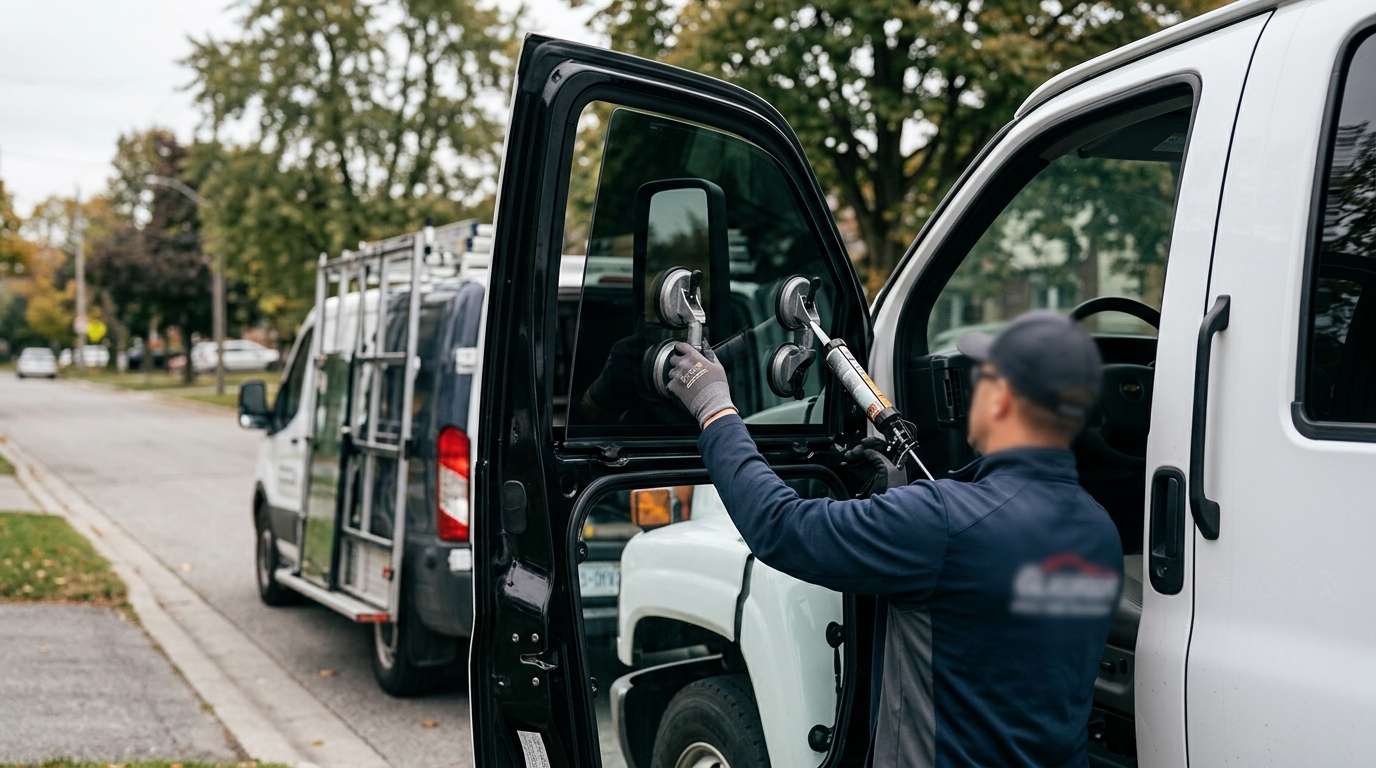
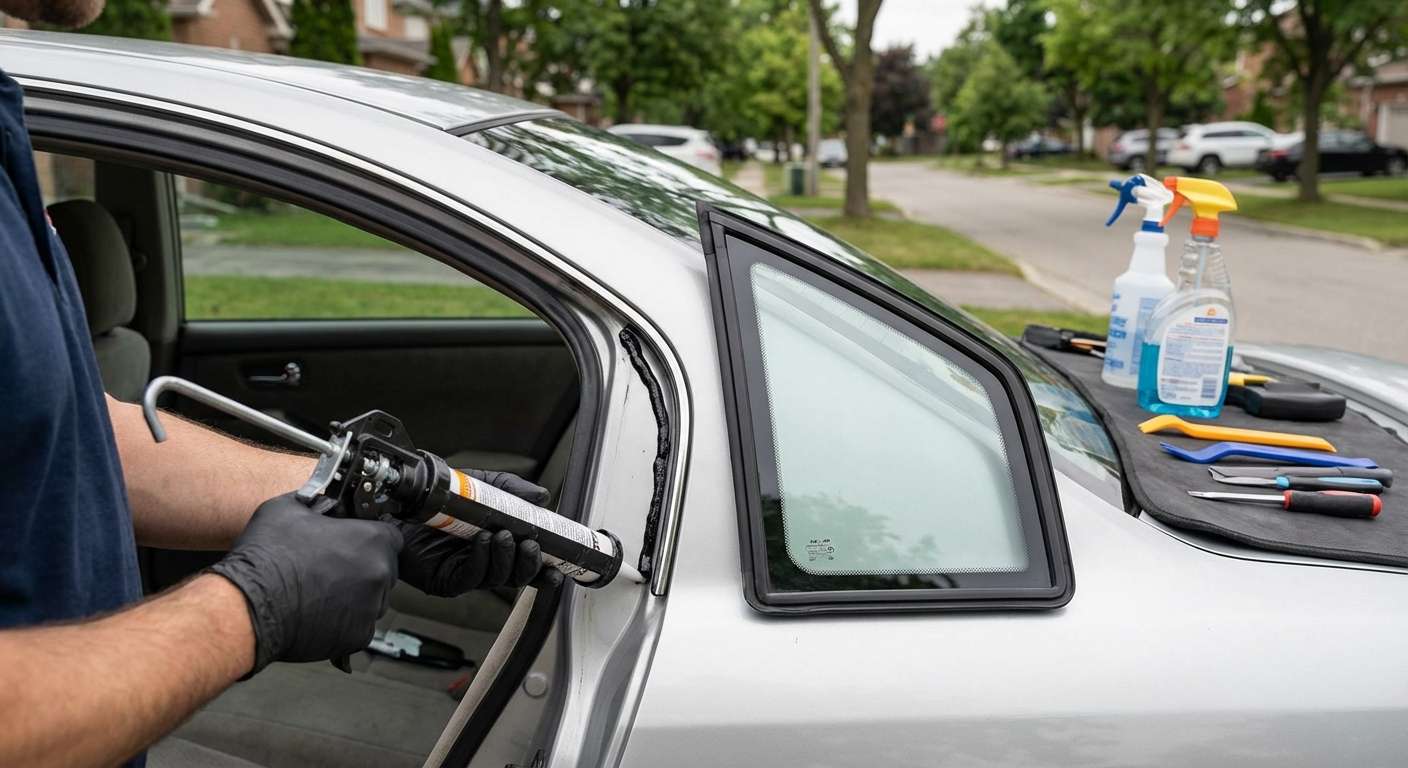
Unlike fixed quarter glass on many modern sedans, this glass does not rely on liquid polyurethane adhesive to hold it to the vehicle frame. Nissan built the assembly using mechanical retention. The pane—referenced under original part numbers 82263-8J000 for the left side and 82262-8J000 for the right—is encased in a molded EPDM rubber channel seal. When I replace this glass, I seat the new aftermarket unit directly into the door sash using this rubber surround, securing it mechanically as the vertical division bar and original spacer hardware clamp back into place.
Because the weatherstrip prevents wind noise and cabin moisture intrusion, getting the tension and depth correct against the division rail is vital. I back my workmanship with a lifetime warranty on the installation alongside a one-year warranty on the replacement glass itself. Rebuilding the door channel accurately ensures that your primary roll-down window continues to travel cleanly along its felt run without catching on the division post hardware.
Replacing Driver and Passenger Side Panes
Impact damage from vandalism or break-ins often targets this smaller pane under the mistaken impression that it is simpler to replace than the main roll-down glass. When cleaning out the broken fragments, every trace of tempered glass must be pulled from the bottom of the inner door cavity and the rubber runs to prevent the regulator from grinding later. Replacement glass follows NAGS reference numbers FV21496 for the driver side and FV21497 for the passenger side.
If your Altima has aged rubber that has shrunk or distorted over years of sun exposure, the fit of the replacement pane inside the upper window sash must be aligned precisely to compensate. Properly seating the aftermarket glass into the channel ensures a tight seal against highway wind, keeping the cabin quiet and preventing rainwater from collecting inside the inner door skin.