Cargo Break-ins and Flush Architecture on the Range Rover Sport
A shattered rear side window on the Range Rover Sport usually points to cargo theft, where thieves target the luggage bay rather than triggering cabin door sensors. Because the glass sits flush with the floating roofline and the wide shoulder beltline, impact damage during parking maneuvers or forced entry leaves the vehicle vulnerable to the elements immediately. The L461 body uses direct-glazed stationary panels rather than frame-mounted glass, meaning the unit is bonded directly into the body aperture between the C-pillar and D-pillar.
The Land Rover design on this vehicle relies on hidden waist seals to maintain an unbroken glass-to-body plane. Replacing it requires understanding how the exterior trim integrates with the quarter panel, because the perimeter molding is encapsulated directly onto the glass assembly at the factory. Once removed or shattered, that surrounding encapsulation cannot be saved or transferred, requiring the entire fixed panel assembly to be renewed as a single piece.
Interior Access, Hardware Variations, and Glass Details
Replacing the left driver-side quarter glass corresponds to Land Rover part number LR167887 (engineering reference N9X2-29601-BC), while the right passenger side corresponds to LR167886. In the NAGS catalog system, this side glass falls under the FQ series. The glass itself is heavy-gauge tempered safety glass with dark factory privacy tint standard across Canadian vehicles, matching the rear passenger doors and the liftgate. While there are no defroster lines, camera mounts, or rain sensors on this panel, the glass does not simply sit empty; it integrates internal antenna contacts for telematics and radio reception.
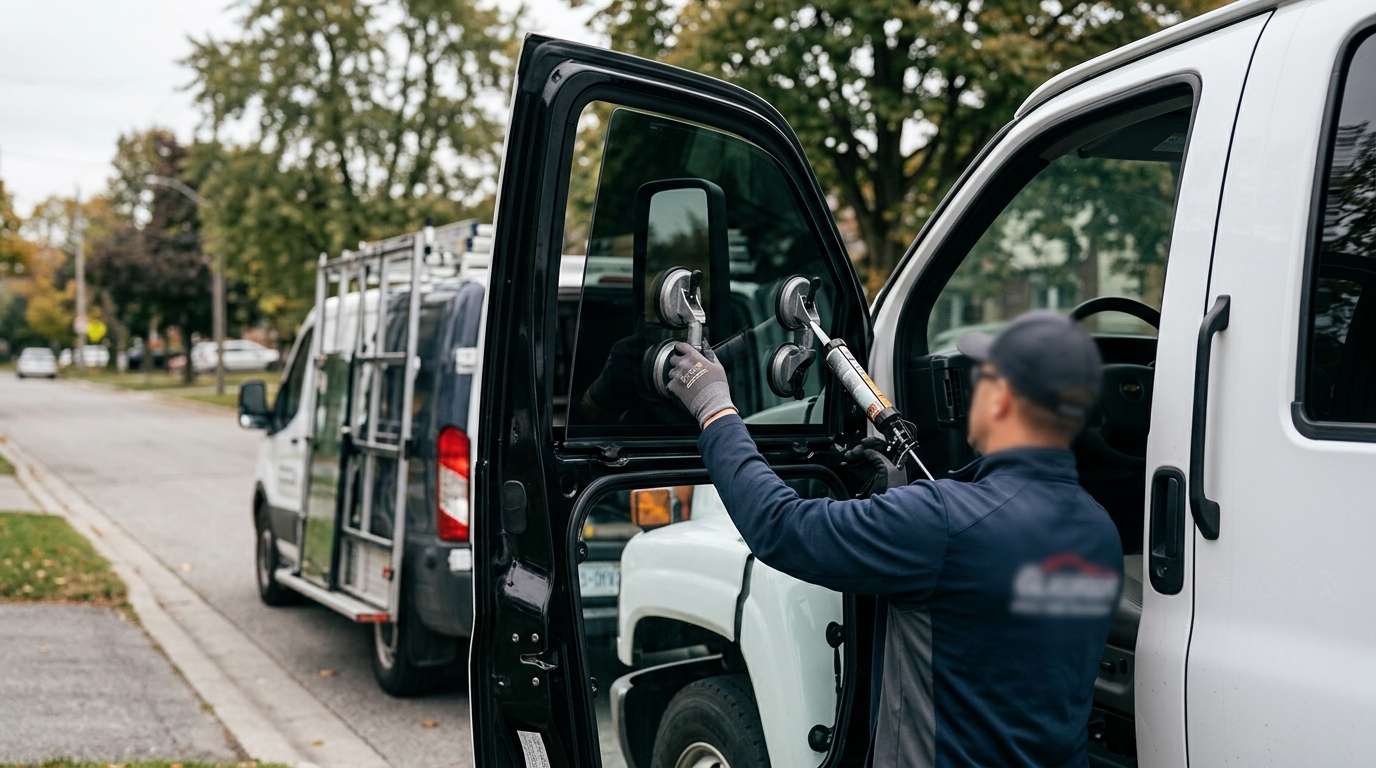
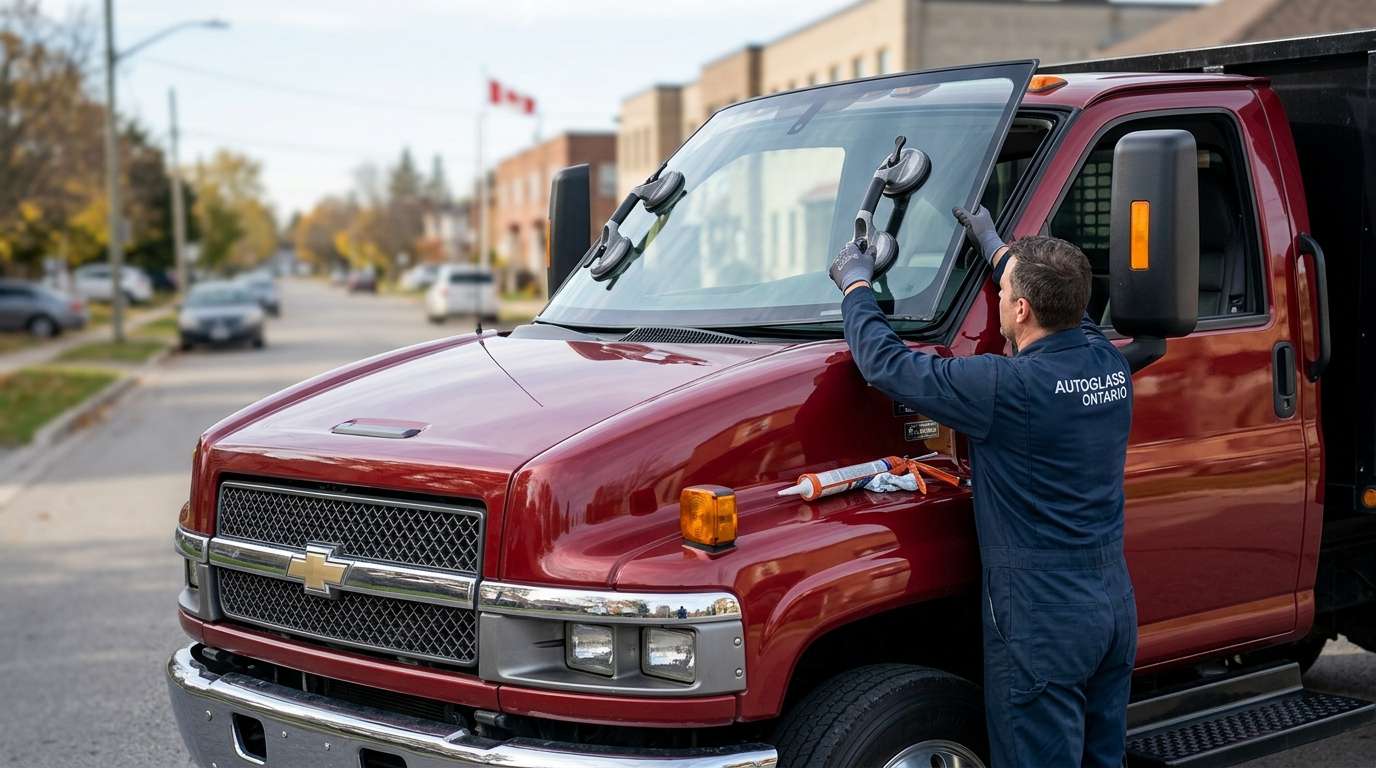
To reach the bonding area and properly disconnect the electrical leads, I dismantle the interior cargo side trim panels, luggage compartment covers, and the upper D-pillar garnish trim from inside the trunk. I operate as a fully mobile service, travelling directly to your driveway or workplace parking spot anywhere across Toronto and the GTA to replace the glass where the vehicle sits. Because the glass must align perfectly flush with the adjacent floating roof and the composite rear tailgate, interior trim clips and wiring connectors must be released cleanly before the new glass is positioned against the metal aperture.
| Component Feature | L461 Quarter Glass Specification |
|---|---|
| Glass Structure | Tempered safety glass with encapsulated perimeter edge molding |
| Factory Glazing Style | Flush-glaze architecture with concealed waist seals |
| Driver Side Reference (LH) | LR167887 / N9X2-29601-BC (NAGS FQ series) |
| Passenger Side Reference (RH) | LR167886 (NAGS FQ series) |
| Built-in Electronics | Internal antenna grid contacts (no heating grid or ADAS) |
Owner Questions About Range Rover Sport Quarter Glass
Will the new glass match the factory privacy tint on my rear door windows?
Yes. The aftermarket replacement glass utilizes the standard factory-matched dark privacy tint embedded into the tempered glass. It does not rely on a surface film, so the darkness level, solar reflection, and exterior gloss match the rear passenger doors and liftgate glass without visual mismatch along the vehicle profile.
Can the rubber surround trim be reused if only the glass is cracked?
No. Land Rover manufactures the quarter window with the outer flush molding pre-bonded directly around the perimeter edge of the glass. When the window breaks or is cut away from the D-pillar, that encapsulation is compromised. The trim and the glass are engineered as a single, inseparable component, so a replacement always includes a fresh perimeter seal.
Why does my keyless entry or radio act up when this window is broken?
The quarter glass contains an embedded antenna grid with solder terminals connecting directly behind the D-pillar garnish trim into the vehicle's telematics and audio diversity modules. When the tempered glass shatters, the printed antenna circuit is severed, which degrades signal reception until the panel is replaced and the harness is plugged back into the new window contacts.