Why Sunroof Inquiries for the Temerario Stem from Catalog Errors
If you are searching for a replacement glass sunroof on this vehicle, you are likely looking at an incorrect third-party catalog listing or an aftermarket coachbuilder conversion. Lamborghini engineered this car exclusively with a solid roof panel. The standard build features a hydroformed aluminum alloy top, while cars optioned with the lightweight Alleggerita package use a structural, cured carbon fiber panel. Neither configuration includes a movable moonroof, fixed panoramic glass panel, or factory aperture.
The entire roof surface serves a strict aerodynamic function. A pronounced central aerodynamic channel runs along the centerline of the roof skin, sculpted specifically to direct undisturbed airflow straight over the rear engine deck to the integrated rear spoiler. Slicing into this hydroformed skin or offering an openable glass panel would completely disrupt this downforce channel, which is why the factory designates the option as not available across all build sheets.
Verifying Custom Glass Conversions and What to Inspect
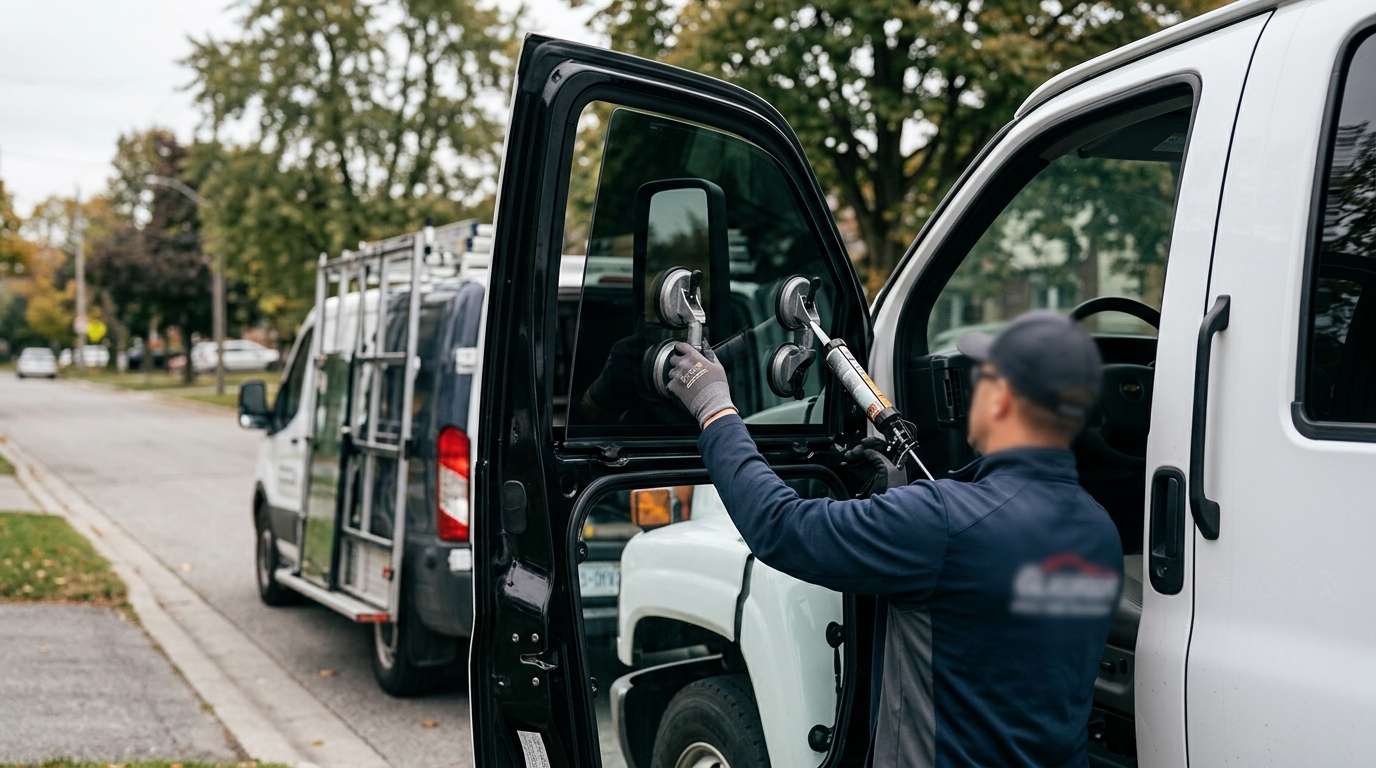
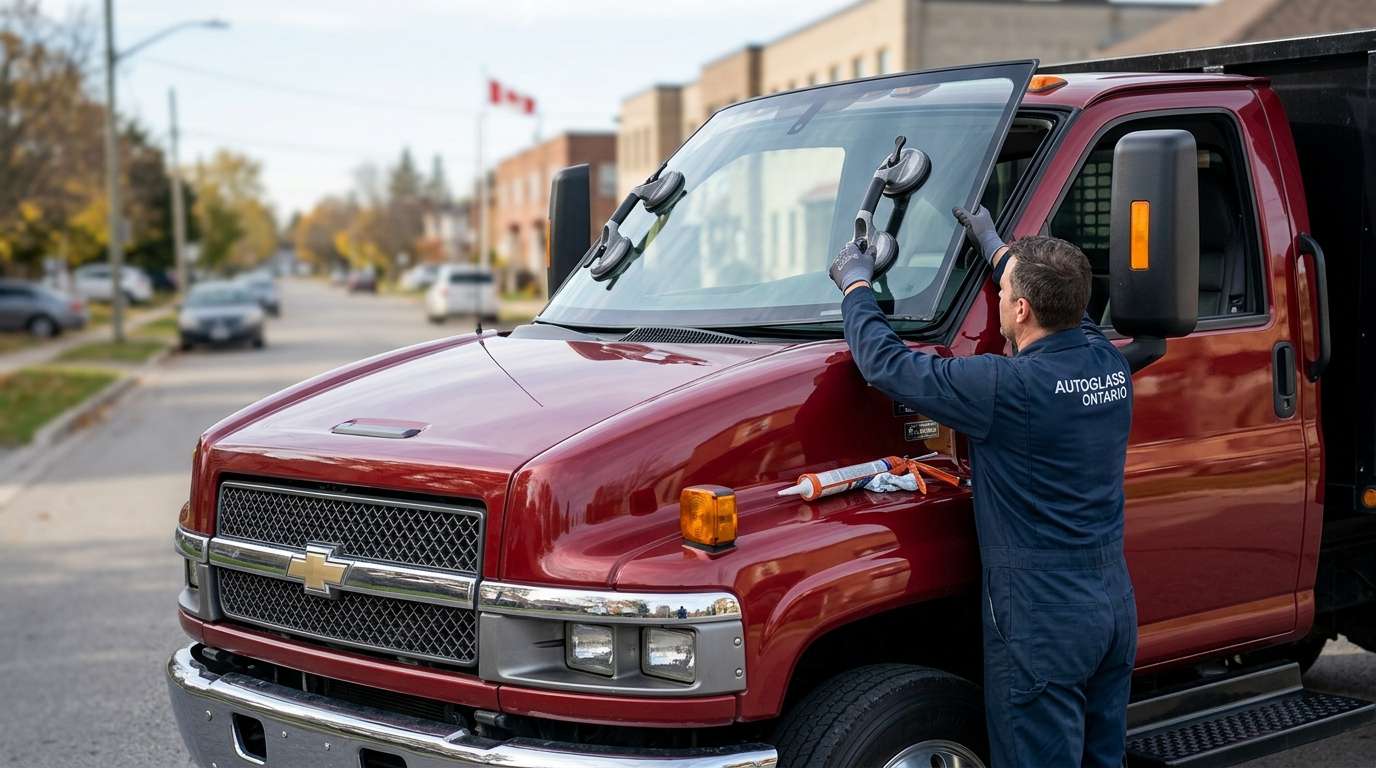
Because there is no National Auto Glass Specifications (NAGS) code or factory part number for a Temerario sunroof, any glass panel found on the roof of this car is a bespoke, aftermarket installation. When I encounter a vehicle with custom roof glass that requires re-glazing, leak evaluation, or custom-cut glass fitting, I inspect critical areas before and after the panel is seated.
- Channel Contour and Crown: Before dry-fitting, verify that the radius of the glass precisely matches the concave dip of the central aerodynamic channel. Flat glass or improper curvature will sit proud of the hydroformed alloy roof, creating severe wind buffeting at highway speeds.
- Edge Clearances to Surrounding Bodywork: Check the perimeter gaps against the adjacent A-pillars and rear roof transitions. The clearance must remain uniform along every millimeter of the cut aperture to avoid localized stress points against the aluminum or Alleggerita carbon weave.
- Internal Mechanism Interference: Look inside the cabin to ensure no customized rails, brackets, or decorative trim pinch the interior harness routes that run along the roof headers toward the rear bulkhead.
- Post-Fitting Sealing and Water Testing: Since this body structure has no built-in factory drainage hoses routed through the A-pillars or C-pillars, any aftermarket seal must be completely impermeable. After the panel is in place, run a localized low-pressure water check to confirm that zero moisture passes the perimeter gasket. Every installation I handle includes my lifetime guarantee on the workmanship, with the glass itself protected for a full year against defects.
- Flush Alignment Check: After the job is completed, run a straight edge across the leading roof edge and along the sculpted aero tunnel. Any vertical step-up higher than half a millimeter will cause acoustic cabin roar once the rear spoiler engages higher aerodynamic loads.
Frequently Asked Questions
Can I order a factory replacement glass panel if mine cracked?
No, because no original factory glass roof exists for this model. You will not find an original equipment or standard aftermarket catalog number for Temerario roof glass. Any cracked glass on the roof was installed by a third-party customizer, meaning replacement glass must be sourced directly from the aftermarket manufacturer who performed the conversion or custom-fabricated to fit the existing cut opening.
Does the Alleggerita package offer a glass roof option?
No. The Alleggerita package is designed solely for weight reduction and high-downforce track dynamics. It replaces the standard hydroformed aluminum roof with a solid carbon fiber panel to lower the car's center of gravity. It never includes glass or openable roof components.
Are rain sensors or electronic components housed in the roof?
No sensors or electronic controls are integrated into the roof skin. All forward-facing driver assistance sensors, rain sensors, and light sensors are mounted strictly to the interior face of the front windshield behind the rearview mirror assembly.