Coupe Body Quarter Panel vs. Sedan Rear Door Vent Glass
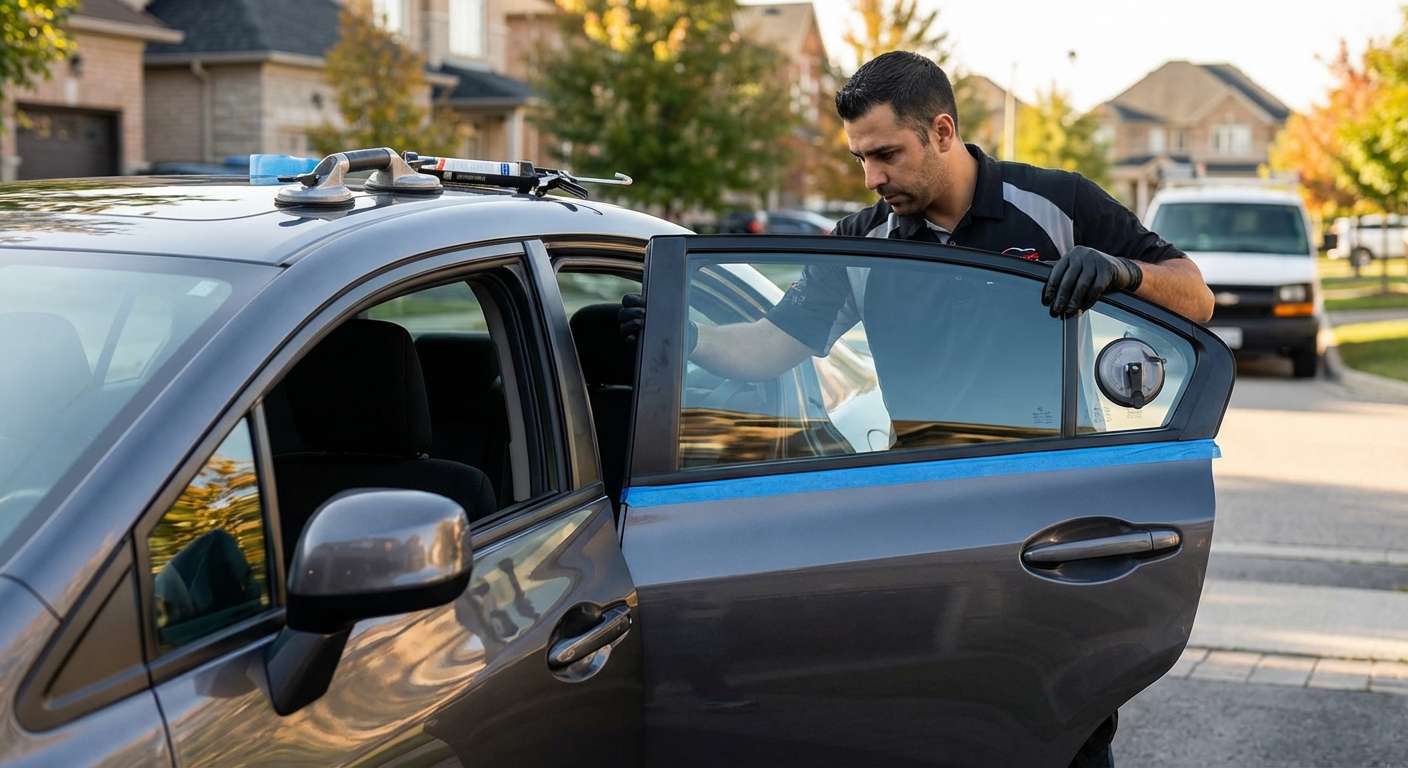
Replacing the small rear side glass on this Civic depends entirely on whether you drive the two-door coupe or the four-door sedan. On the two-door coupe, the quarter glass is permanently bonded directly to the steel quarter panel behind the front doors. Unlike earlier Civics that utilized a manual pop-out latch mechanism, these coupes use a stationary, glued-in unit. For the 2012 model year, Honda designated the factory right quarter glass as 73501-TS8-A01 and the left as 73551-TS8-A01, which were revised for the 2013 to 2015 revisions to 73501-TS8-A21 and 73551-TS8-A21.
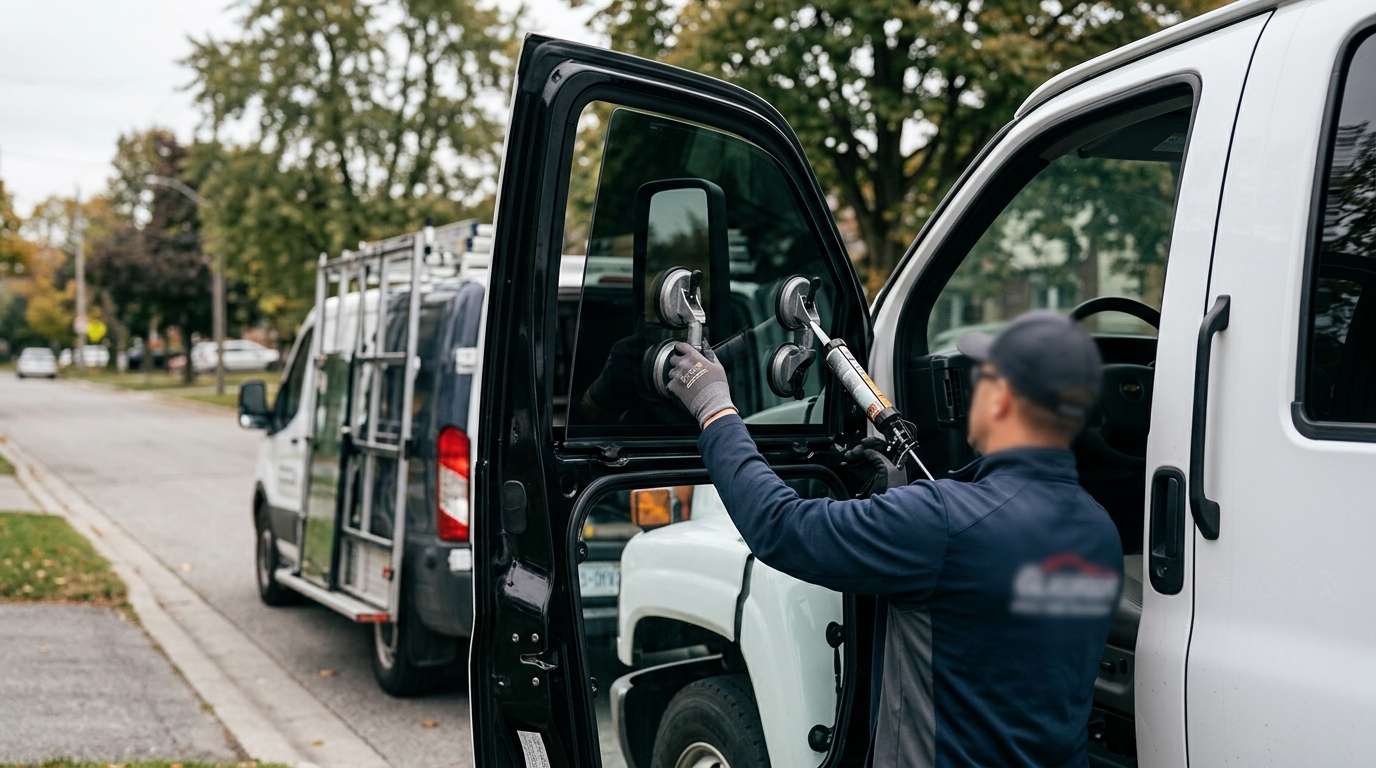
The four-door sedan uses a completely different setup: a rear door division bar separates the roll-down main window from a stationary triangular vent glass seated inside the door frame itself. Because it sits inside the door assembly rather than fixed against the exterior pillar frame, replacing it means completely stripping the inner door card, peeling the interior vapor barrier, and loosening the vertical guide run channel to seat the replacement tempered glass into its rubber channel.
Break-Ins, Seam Leaks, and Deteriorating Drip Moldings
Vandals frequently target these smaller panels to gain access to the door lock switches, shattering the green-tinted tempered safety glass and scattering fragments across the rear seats. Because these panes lack embedded antenna circuits, acoustic laminate films, or heating grids, replacement focuses entirely on fitment and weather protection. On coupes, alignment relies on integrated plastic positioning clips—including Honda part 91501-SMA-003—alongside a foam glass dam and the perimeter quarter glass seal (73576-TS8-A01). If these alignment pins are stressed during past salvage attempts, the glass will sit unevenly against the rear body sheet metal.
I frequently see Civic owners suspecting a loose quarter window when they find wet carpets in the rear passenger footwell or water pooling inside the trunk. More often than not, the perimeter seal around the coupe window is completely intact, but the aging roof ditch molding clips directly overhead have loosened, or the factory seam sealer hidden under the roof drip rails has developed hairline fractures. Sun exposure also wrecks the rubber weatherstripping running along the roof ditch channel right at the upper edge of the quarter glass, causing it to curl, fade, and crack. When I install a replacement panel, my installation workmanship is backed for as long as you own the car, while the glass pane itself carries one year of defect coverage.
Can the molded alignment pins be saved if my coupe quarter window is removed?
The plastic locator tabs molded directly onto the coupe glass frame are brittle and usually snap off whenever the pane is cut away from the body. Because of this, reinstalling a pulled coupe panel rarely works well; fresh aftermarket panels include intact alignment clips that let the glass center precisely in the rear pillar pocket.
Does the sedan rear vent glass use urethane adhesive like the coupe?
No. The sedan uses a mechanical friction fit inside the rear door frame. It is pressed into a contoured rubber weatherstrip and secured by the bolted vertical division channel, unlike the coupe glass which requires a structural polyurethane bond straight to the vehicle pinchweld.
Why is my trunk floor damp if the coupe window glass is undamaged?
The seam sealer running along the roof channel right above the quarter panel commonly shrinks and splits on this Civic series. Rain water seeps beneath the black roof gutter trim, runs behind the quarter glass without touching its urethane bead, and drains down the inner wheel well into the trunk floorpan.