Wheelbase Differences and NAGS Part Numbers for GMT800 Yukon Cargo Glass
Replacing the stationary cargo quarter glass on this full-size SUV requires knowing right away whether you drive the standard short-wheelbase body or the stretched Yukon XL. The glass panels between the two trucks look identical in shape at a glance, but they are completely different lengths along the lower beltline and cannot interchange. The standard-length body spans a shorter cargo section between the C-pillar and D-pillar, while the Yukon XL shares its much longer rear quarter opening with the Suburban.
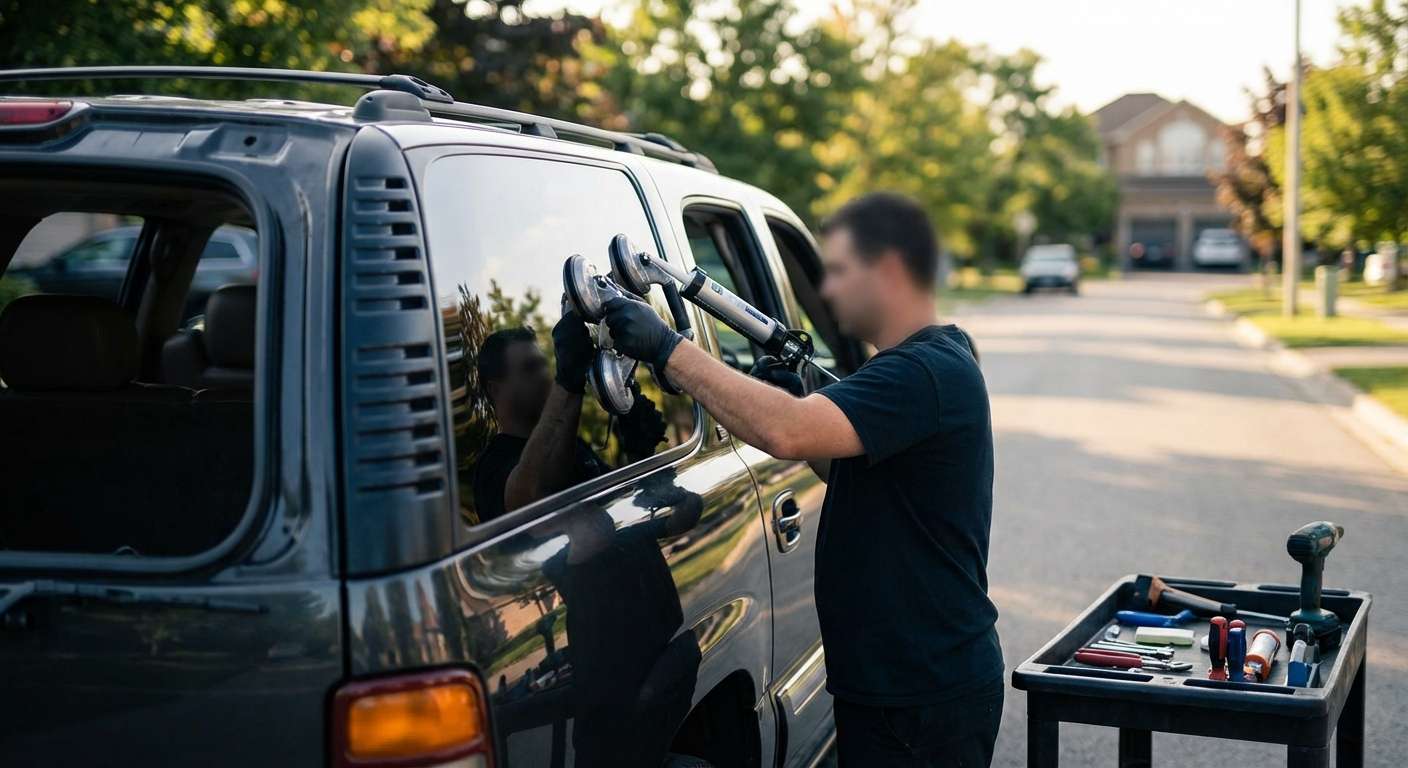
For the standard-wheelbase truck, the driver-side rear quarter glass is cataloged under NAGS part number DQ09741 (GM OEM part number 15754195), while the passenger side uses DQ09740. Both are typically coded with the YPY suffix, denoting the deep dark smoke factory privacy tint and factory-bonded perimeter molding. When I supply replacement units for these trucks, I source solely aftermarket glass produced by major manufacturers like PGW, Pilkington, FYG, and XYG to ensure the factory-correct dark tint shade and exact glass curvature matches the surrounding sheet metal.
| Model Configuration | Driver Side (Left) | Passenger Side (Right) | Molding / Glass Features |
|---|---|---|---|
| Standard Yukon (2000–2006) | DQ09741 (OEM 15754195) | DQ09740 | Encapsulated polyurethane edge, deep privacy tint |
| Yukon XL (Extended Length) | Extended length panel | Extended length panel | Longer lower perimeter molding, deep privacy tint |
Integrated Glass Features and Perimeter Trim Degradation
The quarter window assemblies on the GMT800 platform arrive from the factory as pre-encapsulated units. A molded polyurethane edge bead surrounds the tempered safety glass, acting as the outer finished reveal molding against the roof rail, rear quarter fender, and rear pillars. Because the glass sits completely flush against the exterior sheet metal, it does not rely on separate clip-on exterior metal garnishes.
Over decades of sun exposure, this factory-encapsulated rubber surround is notorious for dry rotting, chalking, shrinking, or cracking at the top corners. Once the outer encapsulation deteriorates, wind noise increases and water can begin pooling against the urethane line. The window itself houses dark solar-control privacy tint embedded directly within the tempered glass structure. Unlike the rear liftgate glass on these trucks, the side cargo glass houses no wiper components or defrost lines.
Interior Access Points and Structural Framing
Replacing this window requires clearing interior components to expose the inner pinchweld flange. The stationary tempered panel is bonded directly against the structural body steel, fully framed by the C-pillar at the front edge and the D-pillar at the rear corner. Inside the cargo area, the lower cargo trim panels, upper garnish moldings covering both pillars, and the third-row seat belt shoulder anchors overlap the pinchweld territory. These interior plastics must be unbolted and set aside so the inner perimeter of the glass is completely accessible without tearing the textured cabin trim.
Can I install standard Yukon cargo glass on a Yukon XL?
No. The Yukon XL uses an extended cargo area identical to the Chevrolet Suburban. The quarter glass on the Yukon XL is visibly longer from front to rear than the glass on the standard short-wheelbase Yukon, meaning neither the glass panel nor its perimeter molding will align with the pinchweld opening.
Why is water entering the rear cargo area near the back pillars?
Water leaks in the rear quarter of these trucks typically occur when the exterior encapsulated rubber molding shrinks away from the upper body seams or the factory urethane bond separates due to chassis flex over high mileage. Once water bypasses the outer edge, it tracks down behind the plastic cargo trim and pools in the floor wells.
Does the quarter glass have rear defrost wires?
No. Defroster grids and the rear wiper motor are mounted exclusively on the rear liftgate hatch glass. The quarter panels consist purely of stationary, dark-tinted tempered safety glass framed by the bonded encapsulation molding.