Replacing Side Windows on the LX Platform Sedan
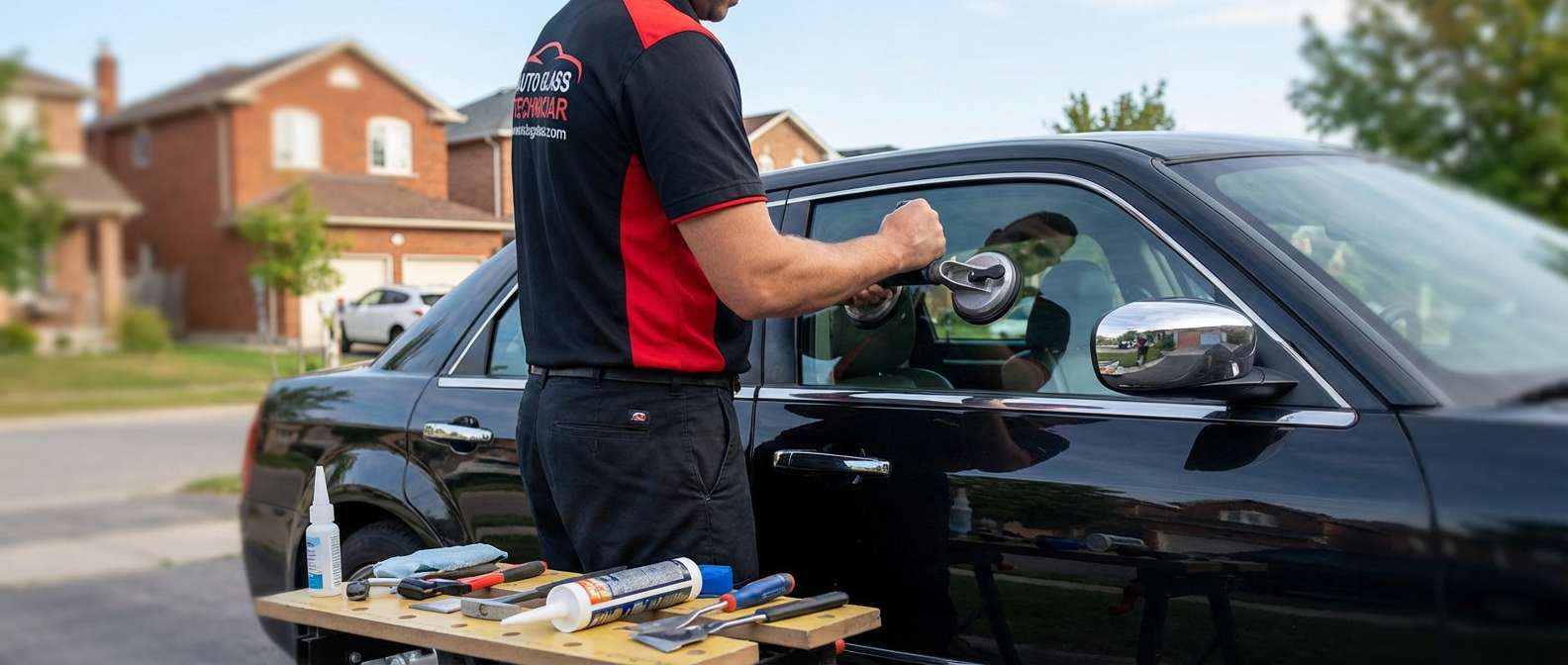
Replacing the side glass on this vehicle requires working around an upright, heavily channeled door frame that distinguishes this sedan from sleeker competitors. The front doors take NAGS part number DD10705 on the front right and DD10706 on the front left, which match up to Mopar factory references 5065486AD and 5065487AD. Because this car was engineered alongside the Dodge Magnum station wagon during the DaimlerChrysler era, both of those front door glass units swap seamlessly between the two cars. The rear doors diverge entirely, requiring DD10707 for the passenger side (OE 5065488AC) and DD10708 for the driver side (OE 5065489AC or 5065891AC) to accommodate the sedan's distinct C-pillar and roofline tapers.
The glass itself is a single-pane, heat-absorbing green-tinted tempered unit designed to handle solar gain without secondary reflective films. Unlike frameless coupes that require complex drop-down indexing modules every time a latch trips, these full-frame steel doors wrap the pane inside thick vertical rubber run channels. While the sedan carries small separate rear quarter windows set back in the rear pillars, the rear roll-down door pane is entirely distinct and operates without an integrated vent divider bar cutting across the main opening.
Regulator Mechanics and Window Track Alignment
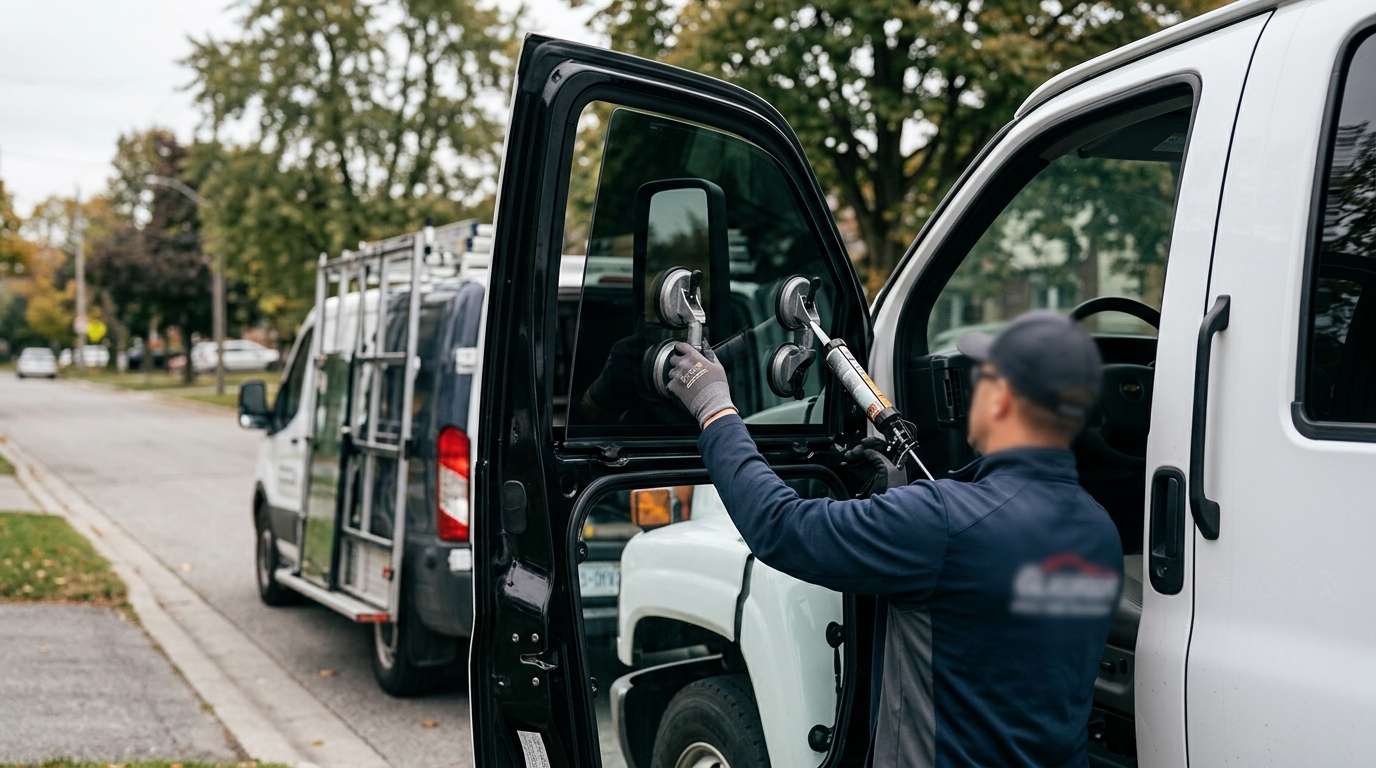
Inside the door cavity, the glass rides on bottom-edge clamping brackets secured directly to a cable-driven regulator lift plate with mechanical fasteners. Over years of operation on high-mileage Touring, 300C, or SRT8 models, the plastic guide clips and pulley spools that manage the steel lift cables often fracture under tension, sending the entire sheet of tempered glass plummeting to the base of the door shell. When this happens, or when road debris shatters the side pane, I typically arrive at your location about an hour after booking to clear out the inner door chamber and restore closure.
A frequent problem I diagnose on these doors involves the vehicle's automatic pinch protection circuit. If the heavy rubber run channels shift slightly out of true or collect road grime, the motor senses added resistance as the glass ascends toward the upper frame header. The car's computer interprets this drag as an obstruction, immediately reversing the motor and dropping the window back down several inches. True mechanical alignment between the clamping brackets and the vertical runs is critical to prevent the glass from cocking sideways and jamming in the metal framework.
Door Cavity Access and Beltline Wear
Gaining clear access to the window mounting hardware requires completely peeling back the interior trim panel, releasing the door handle bezel, disconnecting the power switch harnesses, and lifting away the water vapor barrier without tearing the perimeter adhesive. The mechanical access ports in the inner steel stamping are positioned specifically so that the clamping bolts line up with service openings only when the regulator is positioned at a specific height.
The exterior lower beltline mouldings, often called dew wipes, present another model-specific issue. The felt-lined inner edge on these mouldings traps road grit and fine gravel against the exterior face of the tempered pane. Over years of raising and lowering the window, this trapped abrasive material cuts permanent vertical score lines directly into the factory solar tint. Cleaning the wiper seals and ensuring that the deep side channels are cleared of broken fragments keeps the replacement pane tracking smoothly without binding against the motor.